
A rotator cuff injury can be a frustrating setback, affecting the shoulder’s function and interfering with everything from sleep to daily activities to the sports and work people rely on their shoulders for. The good news is that many rotator cuff injuries respond well to treatment and rehabilitation, and understanding the recovery process, including when surgery becomes the right answer, helps people navigate their recovery with realistic expectations. This article provides general information only and is not medical advice; decisions about your own treatment and recovery should be made with a qualified medical professional.
The Path to Recovery
Recovering from a rotator cuff injury is generally a process rather than a quick fix, and understanding this helps set realistic expectations. The path to recovery depends on the nature and severity of the injury and the treatment approach, but in most cases it involves a period of healing and rehabilitation aimed at relieving pain, restoring function, and returning the shoulder to normal use. Patience and consistency are often key to a good recovery.
Understanding that recovery is a process helps people approach it with the right mindset. Whether the treatment is conservative or surgical, restoring the shoulder’s function typically takes time and effort, and rushing the process or neglecting rehabilitation can undermine the outcome. A realistic understanding of the recovery path is itself valuable.
The Role of Rehabilitation
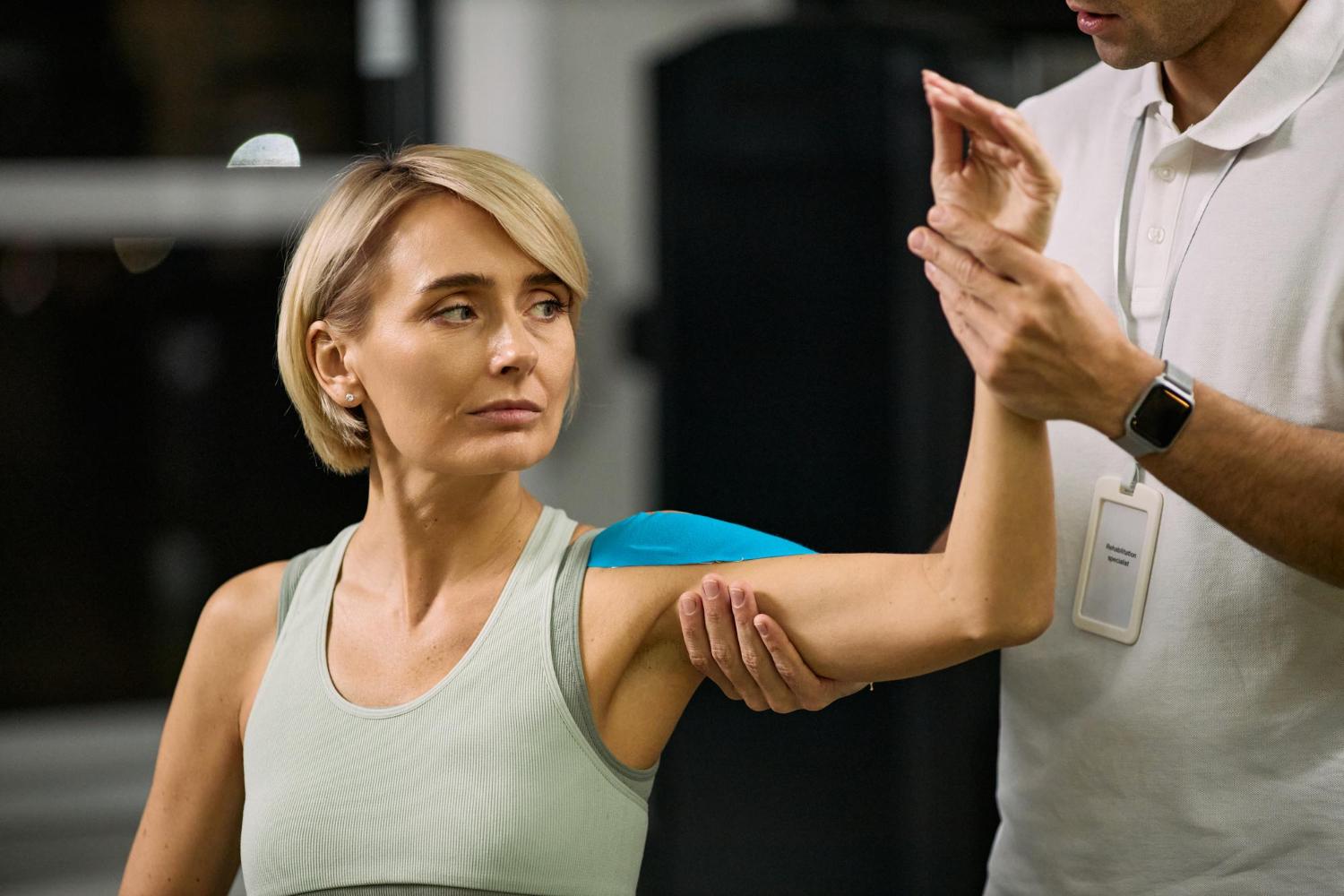
Rehabilitation is central to recovering from a rotator cuff injury, whether the treatment is conservative or surgical. For many rotator cuff injuries treated conservatively, rehabilitation, including physical therapy and appropriate exercises, is the primary treatment, aimed at relieving pain, restoring strength and range of motion, and returning the shoulder to normal function. Proper rehabilitation is often what makes conservative treatment effective.
For injuries treated surgically, rehabilitation is equally important, forming a crucial part of the recovery after surgery. A structured rehabilitation process helps restore the shoulder’s strength, motion, and function following surgical repair, and adhering to it is essential to a good surgical outcome. The American Physical Therapy Association, a leading authority in rehabilitation, emphasizes that physical therapy plays a key role in recovering strength and mobility after musculoskeletal injuries and surgeries.
In both cases, rehabilitation requires commitment and consistency, since the strengthening and restoration of function happen gradually through the rehabilitation process. Understanding the central role of rehabilitation, and committing to it, is one of the most important factors in recovering well from a rotator cuff injury. Rehabilitation is where much of the actual recovery happens, which is why it deserves genuine attention and effort.
When Conservative Treatment Is Enough
For many people with rotator cuff injuries, conservative treatment is sufficient, and understanding when this is the case is reassuring. Many rotator cuff conditions, particularly those that are less severe, respond well to conservative, non-surgical treatment, including rest, physical therapy, and other non-invasive measures. When conservative treatment successfully relieves pain and restores function, surgery may not be necessary.
The effectiveness of conservative treatment depends on the nature and severity of the injury and the individual’s situation. For appropriate injuries, a course of conservative treatment and rehabilitation can restore the shoulder without the need for surgery, which is a welcome outcome for many people.
Understanding that conservative treatment is often effective, and that not every rotator cuff injury requires surgery, is encouraging for anyone worried about their shoulder. The determination of whether conservative treatment is sufficient, or whether surgery may be needed, is a medical one that depends on evaluation and on how the injury responds to conservative measures. For many, conservative care is enough to achieve a good recovery.
When Surgery Becomes the Answer
In some cases, surgery becomes the appropriate answer for a rotator cuff injury, and understanding when helps people know what to expect. Surgery may be considered when conservative treatment has not adequately relieved symptoms or restored function, or when the nature or severity of the injury warrants surgical repair. In these situations, surgical repair aims to address the damage and restore the shoulder’s function.
The determination of whether surgery is appropriate is a medical decision that depends on the specific injury, how it has responded to conservative treatment, and the individual’s situation. A shoulder specialist such as Steven Thornton rotator cuff surgeon can evaluate a rotator cuff injury, determine whether surgery is warranted, and, if so, perform the repair and guide the recovery.
For those who do need surgery, a rotator cuff repair followed by proper rehabilitation can restore the shoulder’s function and relieve the symptoms the injury caused. Understanding that surgery becomes the answer in certain situations, determined through proper evaluation, helps people appreciate when it is the right path and that it is followed by a rehabilitation process central to the outcome.
Recovering Well
Recovering from a rotator cuff injury involves a process of healing and rehabilitation, and understanding that process, including the central role of rehabilitation and when surgery becomes the appropriate answer, helps people navigate their recovery with realistic expectations. Many rotator cuff injuries respond well to conservative treatment and rehabilitation, while others warrant surgical repair, and in both cases rehabilitation is key to a good outcome.
For anyone recovering from a rotator cuff injury, the keys are to commit to the rehabilitation process, to have realistic expectations about the time and effort recovery involves, and to work with a qualified specialist who can determine the appropriate treatment and guide the recovery. While this article provides general information rather than medical advice, the message is encouraging: with proper treatment and rehabilitation, whether conservative or surgical, many people recover well from rotator cuff injuries. Consulting a qualified shoulder specialist who can evaluate the injury and guide the recovery is the surest path to restoring the shoulder’s function and returning to the activities that a rotator cuff injury has interrupted.
Image by dragonimages on Magnific.