
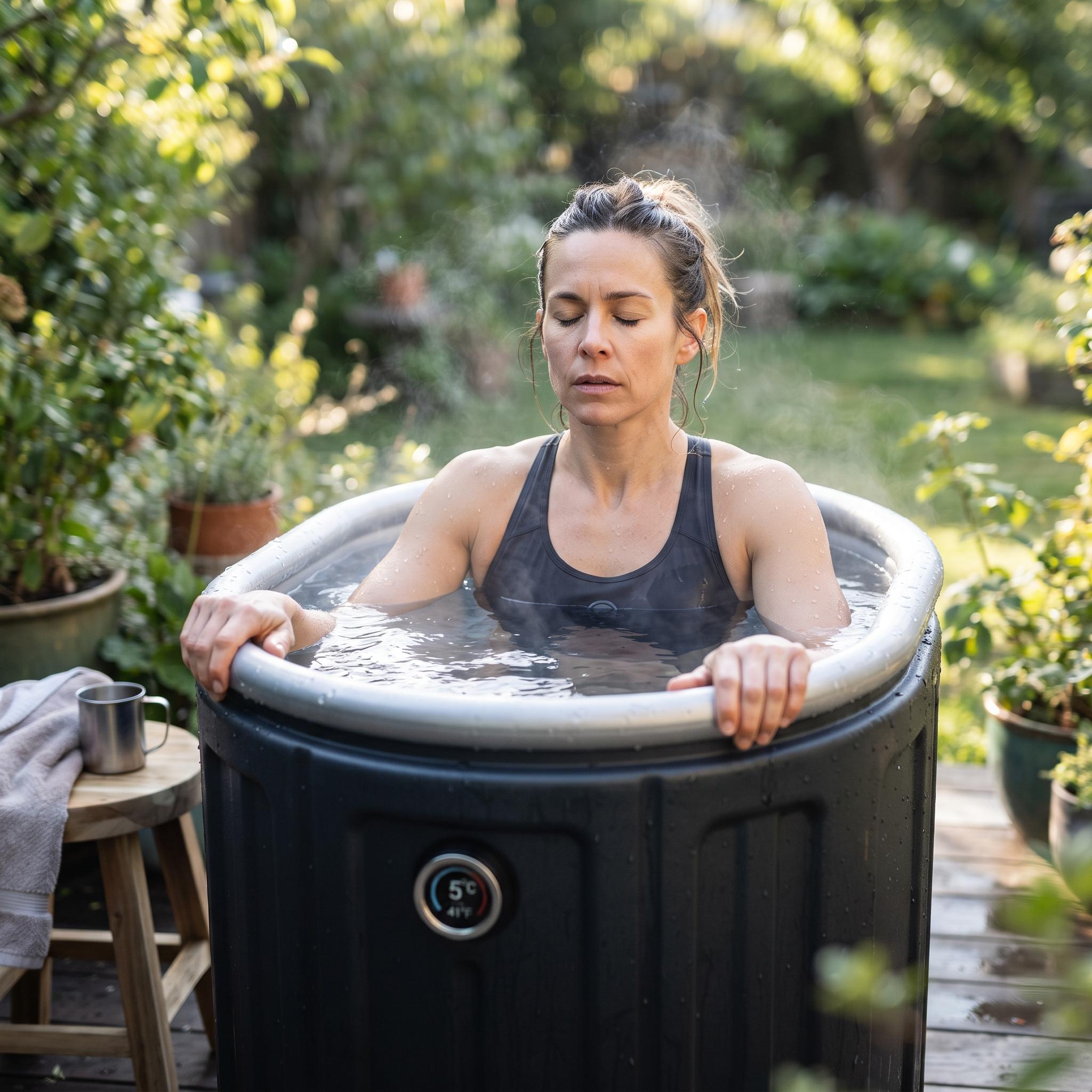
Most people think of cold water as something to endure. You step in, you gasp, you count the seconds until you can get out. But a growing number of people are discovering that those few uncomfortable minutes can change how they feel for the rest of the day, and sometimes for much longer.
An ice bath tub is no longer reserved for professional athletes and recovery clinics. Therapists, busy parents, office workers, and writers are setting them up in garages, backyards, and spare bathrooms. The reason is not just sore muscles. It is the mental clarity, the calmer mood, and the sense of quiet confidence that many regular users describe.
In this guide, we will look at how cold water immersion affects your brain and emotions, why consistency matters more than intensity, how to start safely, and what to look for when shopping for the best cold plunge tubs for home use. Whether you are curious or already convinced, you will leave with a practical plan.
What Cold Water Does to Your Brain and Body
To understand the mental benefits, it helps to know what happens in the first few seconds after you submerge.
Cold water triggers an immediate stress response. Your heart rate jumps, your breathing quickens, and your body releases adrenaline and noradrenaline. Research has found that cold water immersion can raise noradrenaline levels substantially, and this chemical plays a major role in focus, alertness, and mood regulation. That is why so many people step out of an ice bath tub feeling sharp and wide awake.
There is also the dopamine effect. Some studies suggest that sustained cold exposure leads to a prolonged rise in dopamine, the neurotransmitter tied to motivation and a sense of reward. Unlike the spike you get from scrolling your phone or eating sugar, this lift tends to build gradually and fade slowly, without a hard crash afterward.
Then there is the nervous system itself. Cold exposure activates your sympathetic nervous system first, which is your fight or flight response. The real magic happens when you learn to stay calm during that response. By slowing your breathing and relaxing your shoulders while the water bites, you are training your body to shift back toward the parasympathetic state, the one associated with rest and recovery. Over time, many people find this skill carries over into everyday life.
It is worth being honest here. The science on cold water and mental health is promising but still developing. Many studies are small, and some rely on self-reported mood. Cold plunging is not a replacement for therapy, medication, or medical care. Think of it as a powerful supporting habit rather than a cure.
Five Ways an Ice Bath Tub Supports Emotional Well Being
1. It builds stress resilience
Life delivers stress whether you invite it or not. A cold plunge lets you practice handling stress on purpose, in a controlled setting, with a clear start and finish. Each session teaches your brain a simple lesson: this feels intense, but I can stay steady and I will be fine.
That lesson sticks. People who plunge regularly often report that traffic jams, difficult emails, and tense conversations feel a little less overwhelming. You are not avoiding stress; you are becoming more comfortable sitting inside it.
2. It can lift your mood
Many users describe a clean, bright feeling after a plunge, something like the afterglow of a good workout, but sometimes stronger. The combination of noradrenaline, dopamine, and endorphins is the likely explanation. A frequently cited case report even described a patient with depression whose symptoms eased with regular open water swimming, though one case is far from proof. Larger trials are still needed, but the early signals are encouraging enough that researchers continue to explore the topic.
3. It sharpens focus and mental clarity
If you struggle with brain fog, a morning plunge can feel like flipping a switch. The jolt of cold pulls your attention fully into the present moment. You cannot ruminate about yesterday or worry about next week when your entire focus is on your breath and the water around you. For anxious minds, that forced presence can be a welcome break.
4. It improves sleep quality for some people
Good sleep and good emotional health go hand in hand. Some people find that an evening plunge helps them wind down, while others prefer mornings because cold can be stimulating. The key is to experiment. If you notice that late sessions keep you wired, move your routine earlier. Better sleep often means better patience, better decisions, and a steadier mood.
5. It builds discipline and self-trust
This benefit is easy to overlook. Every time you climb into cold water when you would rather not, you strengthen the habit of following through. That small daily win adds up. Confidence grows not from big dramatic gestures but from keeping promises to yourself, and a dependable ice bath tub makes it easy to keep one.
Why Having a Tub at Home Changes Everything
You can get cold exposure from a lake, a cold shower, or a bag of ice in a bathtub. All of these work to some degree. But there is a reason home plunge setups have become so popular, and it comes down to one word: consistency.
The mental benefits of cold water tend to show up with regular practice, not with the occasional heroic dunk. If you have to drive to a facility, book a slot, or haul ice from the store every time, the habit usually fades within a few weeks. When your ice bath tub is sitting a few steps from your back door, the friction disappears.
Home plunging also gives you control. You choose the temperature, the duration, and the time of day. You can play calming music, practice breathing exercises, or sit in silence. For people who find public settings stressful, the privacy alone makes the experience more relaxing.
Cost is another factor. Ice bags add up quickly. A dedicated tub, especially one with a built-in chiller, can pay for itself over months compared with constant ice purchases, and it keeps the water cleaner and more consistent.
How to Start Safely and Build the Habit
Starting well matters more than starting hard. Here is a simple approach that works for most healthy adults.
Talk to a professional first if needed. Anyone with heart conditions, high blood pressure, circulation issues, or who is pregnant should speak with a doctor before trying cold immersion. Cold water places real stress on the cardiovascular system, and it is not appropriate for everyone.
Begin with milder temperatures. You do not need near freezing water on day one. Water around 12 to 15 degrees Celsius (about 54 to 59 degrees Fahrenheit) is a reasonable starting point. Many experienced plungers settle somewhere between 7 and 12 degrees Celsius over time.
Keep sessions short. Aim for one to two minutes at first. Work up gradually toward three to five minutes. More is not better; longer sessions increase the risk of excessive chilling without adding much benefit.
Control your breathing. Take slow, deep breaths in through the nose and out through the mouth. This is the most important skill in cold plunging. If you can keep your exhale long and steady, your body will follow.
Never plunge alone when starting out, and never after alcohol. Cold shock can cause involuntary gasping, and a dizzy or panicked person should never be unsupervised in water. Get out right away if you feel faint, numb, or confused.
Warm up gently afterward. Dry off, put on warm layers, and move around. Avoid jumping straight into a scalding shower, which can cause lightheadedness.
Aim for three or four sessions a week to begin. Many people notice a difference in mood and energy within the first couple of weeks, though results vary.
Choosing the Best Cold Plunge Tubs for Home Use
If you are ready to invest, the market can feel overwhelming. The best cold plunge tubs for home use share a few important qualities, and knowing them will help you avoid expensive mistakes.
Temperature control. Tubs with built-in chillers hold a steady temperature without constant ice. They cost more upfront but save time and money, and they make your daily routine far easier. If you plan to plunge regularly, this is the feature that most often keeps people consistent.
Size and comfort. Think about your height and whether you want to sit or stand. A tub that is too small will feel cramped and unpleasant, which works against the calming effect you are after. Check the internal dimensions, not just the outer footprint.
Insulation and build quality. Good insulation keeps water cold with less energy and protects your surroundings. Look for sturdy materials such as rotomolded plastic or well-sealed stainless steel, and check the warranty length as a sign of manufacturer confidence.
Water filtration and sanitation. Clean water matters. Look for systems with filters, and consider ozone or UV sanitation options. Even with these, you will need to change the water on a regular schedule and keep the tub covered when not in use.
Indoor versus outdoor use. Some models are built to sit outside year round; others are better suited for garages or patios with some shelter. Match the tub to your space and climate.
Portable versus permanent. Inflatable and collapsible options are affordable and great for testing the habit. If you stick with it, many people upgrade to a more permanent unit. Starting with a budget-friendly ice bath tub from Renu Therapy is a perfectly reasonable way to find out whether cold plunging fits your life.
Power and installation needs. Chiller units usually need a nearby outlet and sometimes a dedicated circuit. Check the electrical requirements before you buy so there are no surprises on delivery day.
Read independent reviews, compare warranties, and look closely at customer support. A cold plunge is something you will use often, so reliability counts for a lot.
Conclusion: Small Shock, Lasting Shift
An ice bath tub will not solve every problem, and it is not magic. What it offers is something simpler and, in many ways, more valuable: a repeatable ritual that trains your mind to stay calm under pressure. The cold gives you a few minutes of honest, unfiltered presence. You breathe, you settle, you step out, and you feel a little more capable than when you went in.
Over weeks and months, those small moments can build into better mood, sharper focus, stronger resilience, and a deeper sense of trust in yourself. Combine that with good sleep, movement, healthy relationships, and professional support when you need it, and cold plunging can become a meaningful part of a whole-person approach to well being.