
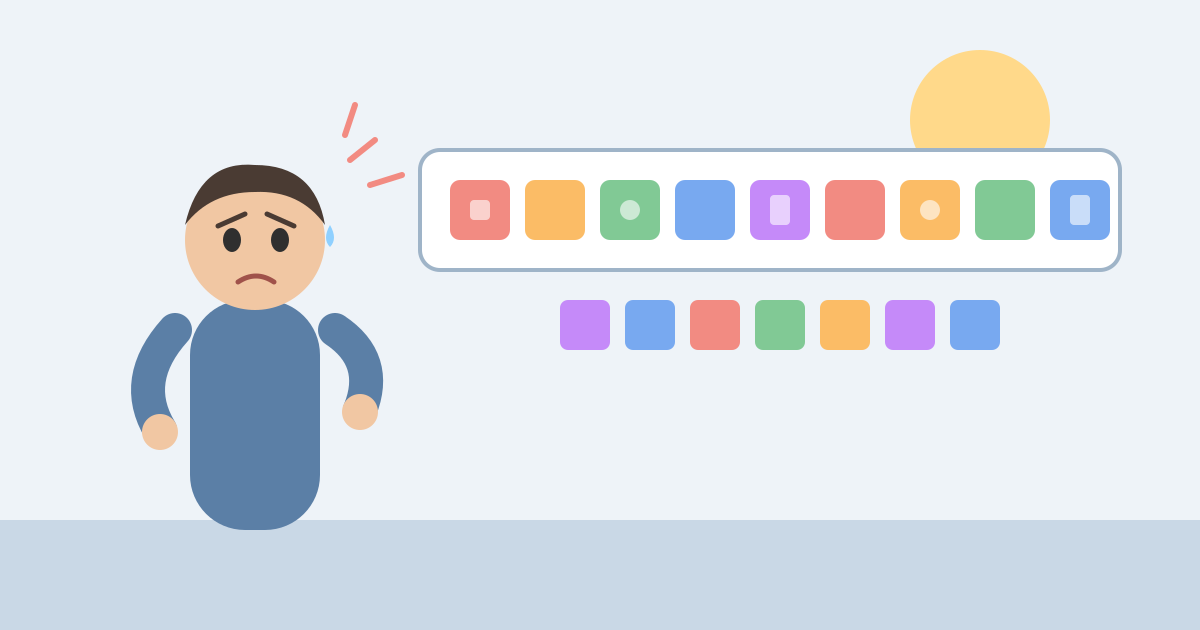
The fear of long words is called hippopotomonstrosesquippedaliophobia. It is also known by the shorter, older name sesquipedalophobia. People who have it feel real anxiety – embarrassment, a racing heart, a wish to avoid the situation – when they have to read, say or spell long or unfamiliar words.
Yes, the name is famously long itself, and that is part of the joke. But the experience behind it can be very real. Below you will find where the name comes from, the signs, the likely causes and what actually helps.
What Is the Fear of Long Words Called?
There are two names you will see:
- Hippopotomonstrosesquippedaliophobia – a 36-letter word built half in fun. It mixes hippopoto- (as in hippopotamus, suggesting something huge), monstro- (monstrous), sesquipedalian (a long word) and phobia (fear).
- Sesquipedalophobia – the more sensible version. It comes from the Latin sesquipedalis, meaning “a foot and a half long”. The Roman poet Horace used the phrase sesquipedalia verba to tease writers who used words “a foot and a half long”.
Neither name is a formal diagnosis on its own. Mental health professionals would describe this kind of fear as a specific phobia, or sometimes as part of social anxiety, depending on what the person is really afraid of.
Is the Fear of Long Words a Real Phobia?
The fear is real for the people who feel it, even if the name sounds like a prank. What makes something a phobia rather than ordinary dislike is how strong the fear is and how much it gets in the way of life.
| Ordinary discomfort | A phobia |
|---|---|
| You stumble over a hard word, laugh and move on. | You dread situations where long words might come up. |
| You look up a word you do not know. | You avoid reading aloud, meetings or classes because of it. |
| Mild embarrassment that fades quickly. | Strong anxiety: sweating, shaking, blanking out. |
| It does not change your choices. | It affects study, work or what you are willing to try. |
For many people, the core fear is not the word itself but looking foolish – mispronouncing something in front of others and being judged. That links it closely to glossophobia, the fear of public speaking.
Signs and Symptoms
Signs usually show up when someone has to read, speak or write long words, or even when they expect to. Common ones include:
- Physical anxiety – racing heart, sweating, dry mouth, shaky voice or feeling hot in the face.
- Freezing or blanking – the mind goes empty when a long word appears in a text you are reading out.
- Swapping words – always choosing a shorter word, even when it is less accurate.
- Skipping words – quietly leaving out difficult words when reading aloud.
- Avoidance – turning down presentations, refusing to read in class or avoiding technical subjects.
- Worry beforehand – rehearsing or fretting for days before a meeting, speech or exam.
If the anxiety ever builds into a sudden rush of panic, our guide on how to deal with anxiety attacks has simple steps you can use in the moment.
What Causes a Fear of Long Words?
There is usually no single cause. Phobias tend to grow from a mix of experience, temperament and habit. Possible contributors include:
- An embarrassing moment – being laughed at for mispronouncing a word, especially as a child reading aloud in class.
- Reading difficulties – people with dyslexia or other reading differences may find long words genuinely harder, and the stress can turn into fear.
- Social anxiety – a wider fear of being judged that settles on words as one trigger.
- Perfectionism – a strong need to get everything right, so any stumble feels like failure.
- Learning a new language – long words in a second language can feel especially exposing.
- Avoidance itself – every time a person steers around a long word, the fear gets a little stronger because it is never tested.
Fears around reading can also overlap with bibliophobia, the fear of books, although the two are different: one is about books and reading in general, the other about long words in particular.
How It Can Affect Everyday Life
At a mild level this fear is just a nuisance. When it becomes stronger, it can quietly shape choices:
- avoiding subjects or jobs with technical vocabulary, such as medicine, law or science;
- staying silent in meetings or seminars rather than risking a hard word;
- feeling ashamed about reading ability and hiding it from others;
- writing in a way that feels simpler than you actually think.
It is worth remembering that plenty of confident speakers mispronounce words regularly. Most listeners notice far less than the anxious person fears, and they usually care even less.
How to Cope With a Fear of Long Words
These steps are gentle and practical. Go at your own pace.
- Break words into chunks. Long words are mostly made of smaller pieces. “Hip-po-pot-o-mon-stro-ses-quip-pe-da-li-o-pho-bi-a” is much less scary in syllables.
- Learn common roots. Knowing pieces like -ology (study of), bio- (life) or -phobia (fear) makes new words feel familiar.
- Practise in private first. Read aloud to yourself, then to one trusted person, then to a small group.
- Use audio pronunciations. Online dictionaries let you hear a word before you need to say it.
- Face the fear in small steps. Repeated, gradual exposure lets your body get used to the situation. This is the same process as habituation, where a response fades as something becomes familiar.
- Calm your body. Slow breathing – for example, breathing out for longer than you breathe in – can lower the physical rush of anxiety.
- Change the story. Swap “everyone will think I’m stupid” for “this is a hard word; most people would slow down here too”.
Treatment and When to Get Help
If the fear is mild, self-help is often enough. Consider talking to a GP, doctor or licensed therapist if:
- the fear is affecting your schooling, career or relationships;
- you avoid many situations because of it;
- you have panic attacks or feel anxious most days;
- you suspect an underlying reading difficulty such as dyslexia that has never been assessed.
Common professional approaches for specific phobias include cognitive behavioural therapy (CBT), which helps you notice and change anxious thoughts, and exposure therapy, which builds confidence through gradual, supported practice. If reading is genuinely harder for you, a specialist assessment and tailored support can make a big difference to both skill and confidence.
Frequently Asked Questions
How many letters are in hippopotomonstrosesquippedaliophobia?
It has 36 letters. It is usually broken into syllables as hip-po-pot-o-mon-stro-ses-quip-pe-da-li-o-pho-bi-a.
What is the short name for the fear of long words?
The shorter name is sesquipedalophobia. It comes from the Latin word for “a foot and a half long”, an old joke about words that are too long.
Is the fear of long words a joke?
The long name is partly a joke, but the fear itself can be real. When anxiety about long words is strong and leads to avoidance, it is treated like any other specific phobia.
Is the fear of long words the same as dyslexia?
No. Dyslexia is a learning difference that affects reading and spelling. Some people with dyslexia develop anxiety about long words, but many people with the fear do not have dyslexia, and vice versa.
Can the fear of long words be cured?
Most phobias respond well to gradual exposure and talking therapies such as CBT. Many people find the fear shrinks a lot once they practise in small, safe steps.