
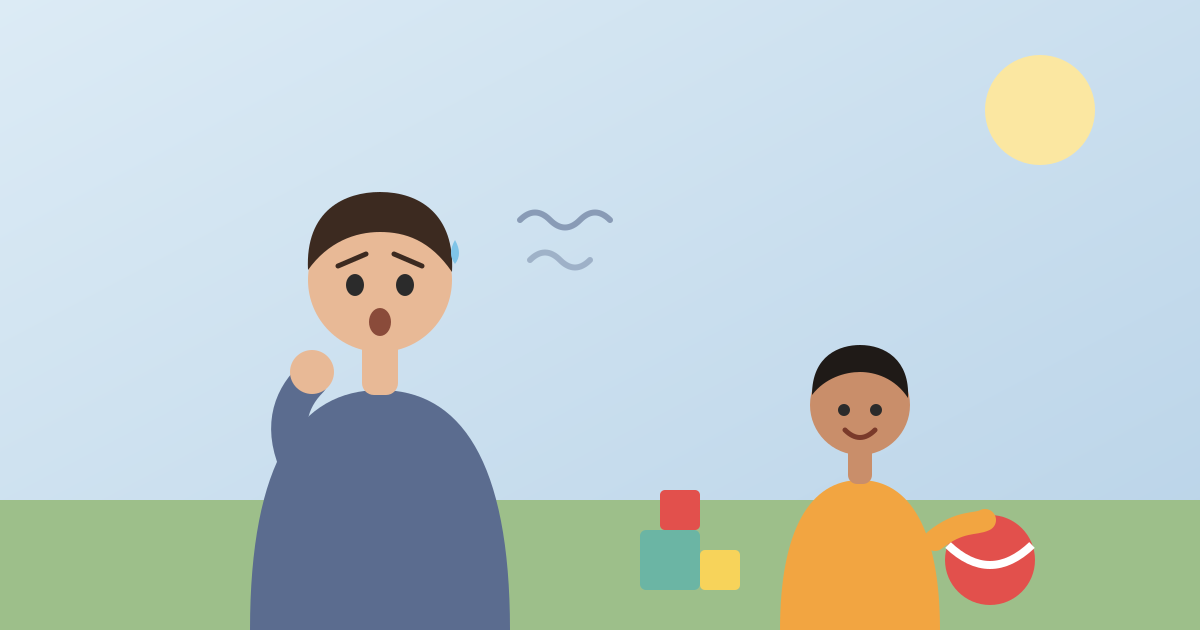
Pedophobia is an intense, lasting fear of children. Someone with pedophobia feels real anxiety – a racing heart, a wish to escape, sometimes panic – around babies, toddlers or older kids, or even when they just think about being near them. It is a type of specific phobia, and like other phobias it can be eased with the right support.
It is worth saying clearly at the start: pedophobia has nothing to do with pedophilia. The word comes from the Greek paidos (child) and phobos (fear). It simply means being afraid of children. Below you will find the signs, the likely causes, how it differs from simply not liking kids, and what helps.
What Is Pedophobia?
Pedophobia (also spelled paedophobia, and sometimes called fear of kids) is an anxiety response that is out of proportion to any real danger. Children are usually small, harmless and well-meaning, and part of the person often knows this – yet the fear still switches on.
For some people the fear is focused on babies and their crying, fragility or unpredictability. For others it is toddlers who grab and climb, or older children who are loud, blunt or likely to tease. The fear can be narrow (only newborns) or broad (any child at all).
Pedophobia is close to, but different from, tokophobia, which is the fear of pregnancy and childbirth. A person can have one without the other, although some people experience both.
Signs and Symptoms of Pedophobia
A phobia shows up in the body, in thoughts and in behaviour. Common signs include:
- Physical anxiety – racing heart, sweating, shaking, nausea, dry mouth or shortness of breath around children.
- Dread before the event – worrying for days about a family gathering, a baby shower or a visit to a friend with kids.
- Avoidance – skipping parties, parks, school events or certain shops, or leaving quickly when a child appears.
- Panic attacks – in more severe cases, a sudden wave of intense fear with a sense of losing control.
- Tension when a child cries or shouts – noise and unpredictability are frequent triggers.
- Knowing the fear is “too much” – but being unable to talk yourself out of it.
If panic attacks are part of the picture, our guide on how to deal with anxiety attacks has simple techniques you can use in the moment.
What Causes a Fear of Children?
There is rarely one single cause. Phobias usually grow from a mix of experience, temperament and learning. Possible contributors include:
- A bad experience – being bullied by other children, hurt by a child, or blamed when a child in your care was injured.
- Feeling responsible and unprepared – worry about accidentally hurting a baby, not knowing how to hold one, or being judged by parents.
- Sensory overload – crying, screaming and sudden movement can be hard for people who are sensitive to noise or chaos.
- Learned fear – growing up around an adult who was anxious or harsh with children.
- Germ or illness worries – some people link small children with coughs, colds and mess.
- Anxious temperament – people who are generally prone to anxiety are more likely to develop specific phobias.
Sometimes the root is unclear, and that is fine. You do not need to find the original cause to start feeling better.
Pedophobia vs Simply Not Liking Kids
Plenty of people do not enjoy being around children, do not want their own, or find them tiring. That is a preference, not a phobia. The difference lies in fear and its impact:
| Not liking kids | Pedophobia | |
|---|---|---|
| Main feeling | Boredom, irritation, disinterest | Fear, dread, panic |
| Body reaction | Little or none | Racing heart, sweating, shaking |
| Thinking ahead | “I’d rather not go” | Days of worry before the event |
| Behaviour | Polite distance | Strong avoidance or escape |
| Effect on life | Minor | Strains family ties, friendships or work |
Specific phobias are usually diagnosed when the fear is persistent (often lasting six months or more), out of proportion to the situation, and causes real distress or disruption.
How Pedophobia Can Affect Your Life
Children are everywhere – in families, friendship groups, workplaces and public spaces – so this fear can quietly shrink your world. You might miss a sibling’s baby shower, feel distant from friends who become parents, turn down jobs in schools or clinics, or feel guilty and misunderstood when relatives assume you are being cold.
It can also create inner conflict for people who would like children of their own one day but feel frightened by the idea. That conflict is common, and it is a good reason to get support rather than push the feelings away.
Ways to Cope With a Fear of Children
Small, steady steps work better than forcing yourself into overwhelming situations. These ideas can help:
- Name the fear precisely. Is it babies crying, being left alone in charge, or being judged by parents? A clear target is easier to work on.
- Breathe slowly. A longer out-breath than in-breath calms the body’s alarm response.
- Start small. Watch a short video of children playing, then spend a few minutes at a family event, then hold a friend’s calm baby for a moment with the parent beside you.
- Stay until the anxiety drops. Fear naturally fades when you stay with it – a process known as habituation. Leaving at the peak can teach your brain the fear was justified.
- Learn practical skills. Knowing how to hold a baby safely or how to talk to a shy five-year-old often reduces the fear of “getting it wrong”.
- Tell someone you trust. A supportive friend or relative can help you plan visits and step in if you need a break.
- Be kind to yourself. A phobia is not a character flaw. Progress is often uneven.
Treatment Options
Specific phobias respond well to talking therapies. The approaches most often used are:
- Cognitive behavioural therapy (CBT) – helps you notice and test the anxious thoughts that keep the fear going.
- Exposure therapy – a therapist guides you through gradual, planned contact with the thing you fear, at a pace you agree on.
- Relaxation and mindfulness skills – to manage the body’s stress response.
- Talking about past experiences – if the fear began with a painful event, working through it can loosen its grip.
Medication is not usually the main treatment for a specific phobia, though a doctor may discuss options if anxiety is severe or there are other conditions alongside it. The NHS has a clear overview of phobias and their treatment.
When to Get Help
Consider speaking to a doctor or a qualified therapist if the fear causes panic attacks, stops you from seeing people you care about, affects your work, or leaves you feeling low or isolated. Help is also worth seeking if you are expecting a baby, or planning to, and the fear is causing you distress. If you ever feel unable to cope or have thoughts of harming yourself, contact your local emergency number or a crisis line straight away.
Many fears tie into broader anxieties, such as a fear of being alone with responsibility – you may find our article on autophobia useful too.
Pedophobia FAQs
What is the fear of children called?
The fear of children is called pedophobia (or paedophobia). It is a specific phobia and is unrelated to pedophilia.
What is the fear of babies called?
There is no separate widely used clinical term; a fear of babies is generally described as a form of pedophobia. Some people with it are mainly afraid of a baby’s fragility or crying.
Is it normal to be scared of kids?
Feeling awkward or nervous around children is common, especially if you have little experience with them. It becomes a phobia when the fear is intense, lasting and starts to limit your life.
Can pedophobia be cured?
Many people improve a great deal with therapy such as CBT and gradual exposure. The aim is for the fear to shrink to a level where it no longer controls your choices.
Can I have pedophobia and still want children?
Yes. Some people want a family but feel frightened by children or by the idea of caring for one. Working with a therapist can help you separate the fear from what you truly want.