
Your Second Brain: How Digestive Comfort Can Shape Mood and Concentration
Most people have felt it: a nervous stomach before a big meeting, or a foggy stretch after a heavy lunch. Those moments hint that the digestive tract and the mind are in constant conversation. This explainer covers what researchers currently understand about that exchange, which daily habits support digestion and wellbeing, and how a supplement can sit alongside them without carrying the whole load.
What Is a Morning Skinny Supplement, and Where Does It Fit?
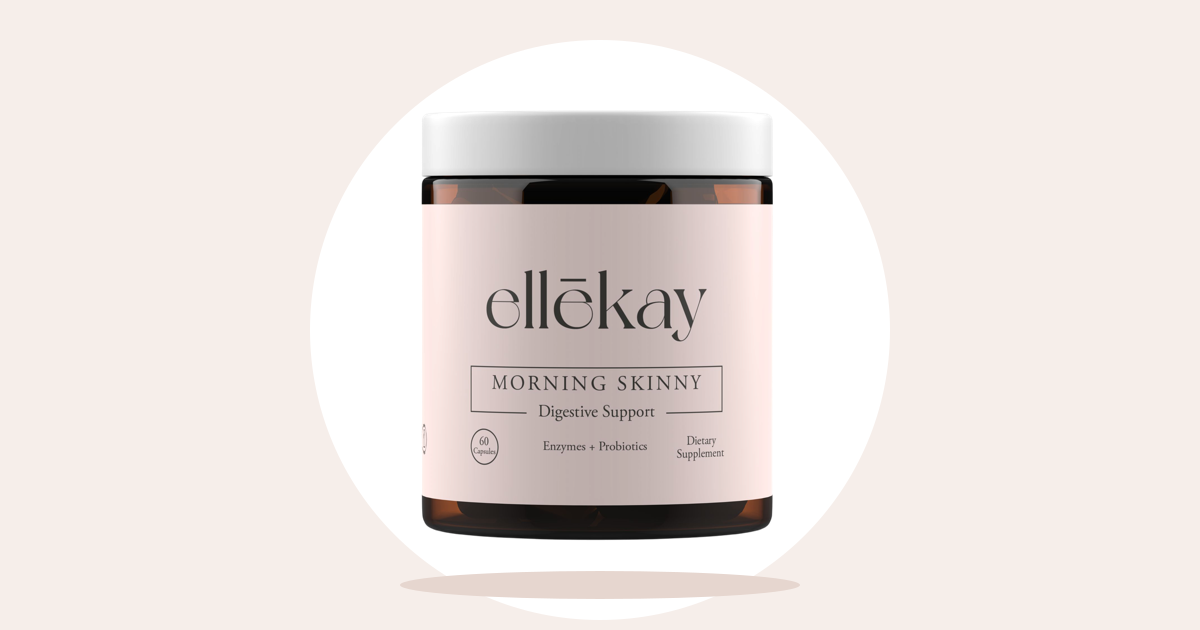
A morning skinny supplement is a digestive support product named for the light, unbloated feeling many women notice on waking, and it is meant as one small piece of a routine, not a fix for anything. Ellekay is a women's wellness brand whose single product, Morning Skinny, is a digestive support capsule with Akkermansia, nine digestive enzymes and four botanical extracts. The name describes a comfortable feeling after meals and has nothing to do with changing anyone's body.
On its site, Ellekay's Morning Skinny is presented as two vegetable capsules taken with water after the largest meal of the day, with 60 capsules per jar for 30 servings. Each serving pairs lemon balm, dandelion root, ginger and peppermint extracts with a 136 mg blend of digestive enzymes and a 189 mg prebiotic and probiotic blend of inulin fiber, acacia fiber and Akkermansia muciniphila. Ellekay's own product page words its aim as "Supports smoother digestion, even after heavy meals" and that sentence is the ceiling for what this article will say about it.

How Does the Gut Communicate With the Brain?
The gut and brain exchange signals through nerves, hormones and the immune system, a two-way network researchers call the gut-brain axis. The vagus nerve is one of the main routes, carrying information between the digestive tract and the brainstem, and the gut also contains its own web of neurons, often called the enteric nervous system. Communities of intestinal microbes, together known as the microbiome, produce compounds that may interact with this network, though much of that work is still early.
It helps to stay careful here. Much of the early work has been done in animals rather than people, and an association between gut patterns and mood does not show that one causes the other. What can be said responsibly is that digestion and emotional state influence each other, which is why a hard day often lands in the stomach and an unsettled stomach often colors the day.
Akkermansia muciniphila shows how preliminary the field still is. A 2019 pilot study in Nature Medicine by Depommier and colleagues tested Akkermansia supplementation in people and found that the pasteurized, heat-treated form performed at least as well as the live form. That is early research on gut bacteria, not a statement about mood or focus, and it is also why a label may count this organism in TFU (total fluorescent units) rather than CFU.
Which Daily Habits Support Digestion and Steady Focus?
The habits with the best track record are ordinary ones: fiber, water, sleep, movement and stress management. Each supports digestion directly and also tends to shape how a person feels and concentrates, which is the practical meeting point of the gut-brain idea.
| Habit | What it supports | Easy starting point |
|---|---|---|
| Fiber | Regular digestion and food for gut microbes | Add one plant food to each meal |
| Hydration | Comfortable, regular digestion | Keep a water bottle within reach |
| Sleep | Steadier mood and attention | Keep a steady bedtime and wake time |
| Movement | Gut motility and stress relief | Walk after dinner on most days |
Fiber deserves extra attention. Varied plant foods feed the microbes that live in the colon, and prebiotic fibers such as inulin and acacia are part of why fiber-rich eating is so often linked with gut comfort. Raising intake gradually, alongside plenty of water, tends to be easier on the body than a sudden jump. Hydration matters for the same reason: fiber needs water to move comfortably through the system.
Small pleasures can fit as well. Harvard's Nutrition Source says cocoa is rich in plant chemicals called flavanols and that dark chocolate contains up to 2 to 3 times more flavanol-rich cocoa solids than milk chocolate, while white chocolate contains no cocoa solids. A square of dark chocolate after dinner can be an enjoyable ritual, though it is a pleasant extra rather than a mood strategy.
Why Do Stress and Sleep Show Up in Your Stomach?
Because the same stress response that quickens the heartbeat also changes how the digestive tract behaves, which is why nerves can bring on cramps, urgency or a lost appetite. Poor sleep often makes this worse, and a stomach that feels off can make rest harder, so the two can feed each other in a loop. Breaking the loop usually starts with small, repeatable calming practices rather than dramatic overhauls.
Movement matters here too. Gentle activity after a meal, such as walking, is a familiar way many people settle into the evening, and regular exercise is widely associated with better sleep and steadier mood. It does not need to be intense to count.
Slow breathing at the table, eating away from a screen, and a short walk afterward all signal to the body that it is safe to digest. None of these needs equipment, and each can be tried for a couple of weeks to see how it feels. Consistency matters more than perfection, so a missed day is simply a missed day. Anyone whose digestive discomfort or low mood lingers should talk with a doctor, since persistent symptoms deserve a proper evaluation rather than a routine tweak.
Where Does a Digestive Support Product Fit in a Routine?
It fits as a small, optional layer on top of the basics, never as a substitute for them. In a formula like Morning Skinny, the enzymes are meant to help break down the meal just eaten, the lemon balm, dandelion root, ginger and peppermint are botanicals commonly used in digestive comfort blends, and the prebiotic fibers and Akkermansia sit on the microbiome side. Taking it with water after the largest meal of the day also builds in a cue to slow down and close that meal on purpose.
That cue may be the most useful part. A ritual that marks the day's largest meal makes it more likely a person will also drink water, sit down and take a few breaths, which are the habits doing much of the work. A supplement is not a medication, and anyone who is pregnant, nursing, taking prescriptions or managing a condition should check with a doctor first, as should anyone unsure whether it suits them.
A Simple Way to Build the Routine
Start with one change at a time so it is clear what actually helps, and give each a fair trial before adding the next.
- Add a fiber-rich food to your biggest meal and keep water alongside it.
- Take a short walk after dinner on most days.
- Keep a consistent wake time and a calm wind-down hour.
- Jot a one-line note on mood and focus each evening, with no scoring.
- Add any supplement last, after checking with a doctor if you have questions.
As of fall 2026, interest in the gut-brain axis keeps growing, and heading into 2027 the most sensible takeaway is still a modest one. Researchers are mapping the connections, but the everyday advice has barely changed: eat varied plants, stay hydrated, sleep well, move often and find ways to unwind.
Keeping the Big Picture in View
Digestion and mood are neighbors, not strangers. Looking after meals, water, sleep, movement and stress gives both a steadier footing, and a digestive support capsule can be one small, optional piece of that picture. Patience, curiosity and a doctor's input when needed will do more for how you feel than any single product.